
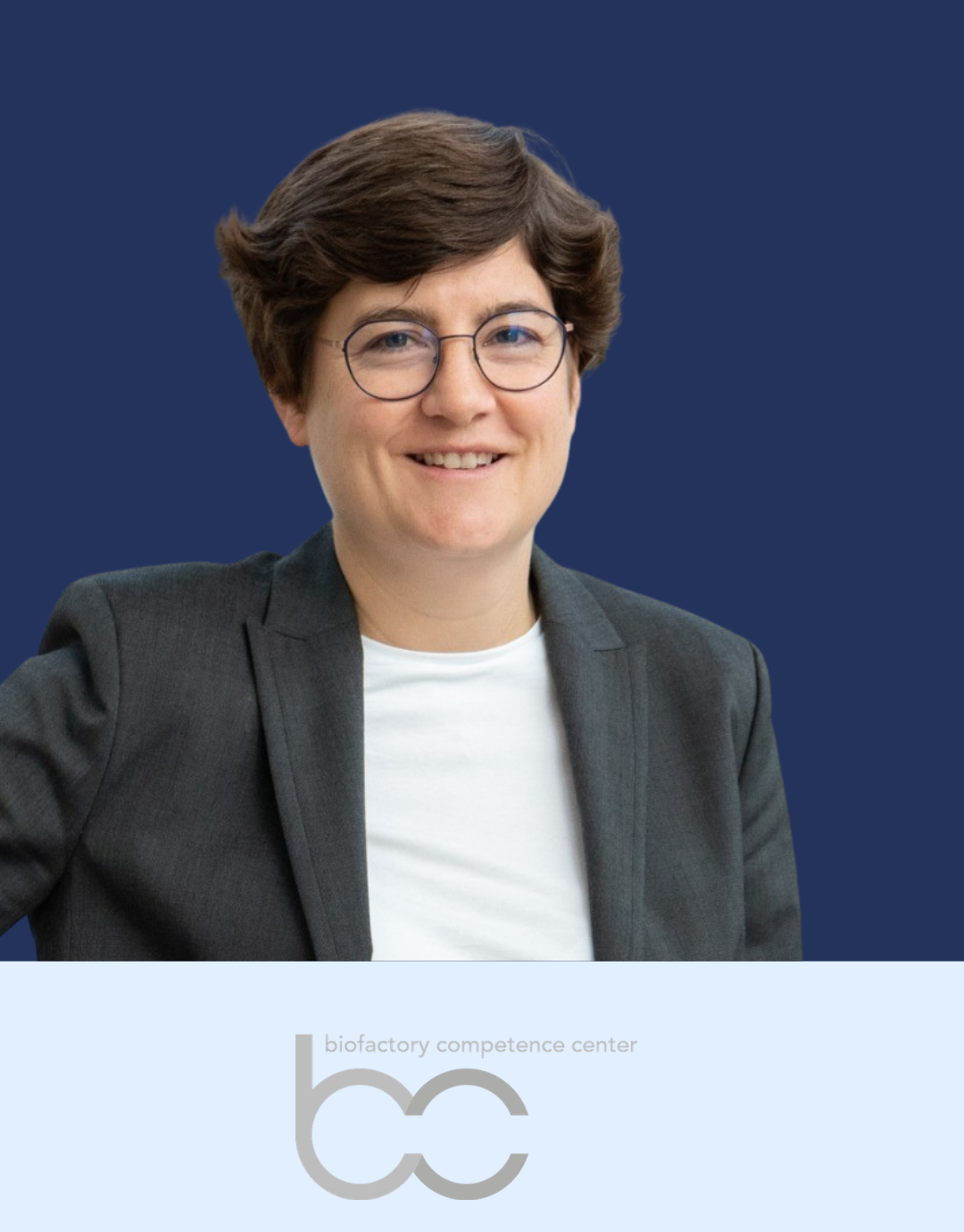
Carmen Jungo Rhême
Director Biofactory Competence Center and Full Professor
Carmen Jungo studied chemical engineering at EPFL, where she also obtained a PhD in bioprocess engineering in 2007. She has 17 years of industrial experience with a proven track record in leading biopharmaceutical companies manufacturing therapeutic recombinant proteins, including Lonza, Merck Serono, UCB Farchim and CSL Behring.
Her expertise spans bioprocess development, scale up, technology transfer, and the start up of large scale recombinant manufacturing facilities. She also brings extensive experience in people and project management, including capital investment projects. Since November 2023, she is Full Professor of Bioprocess Engineering at HEIA FR and Head of the Biofactory Competence Center.
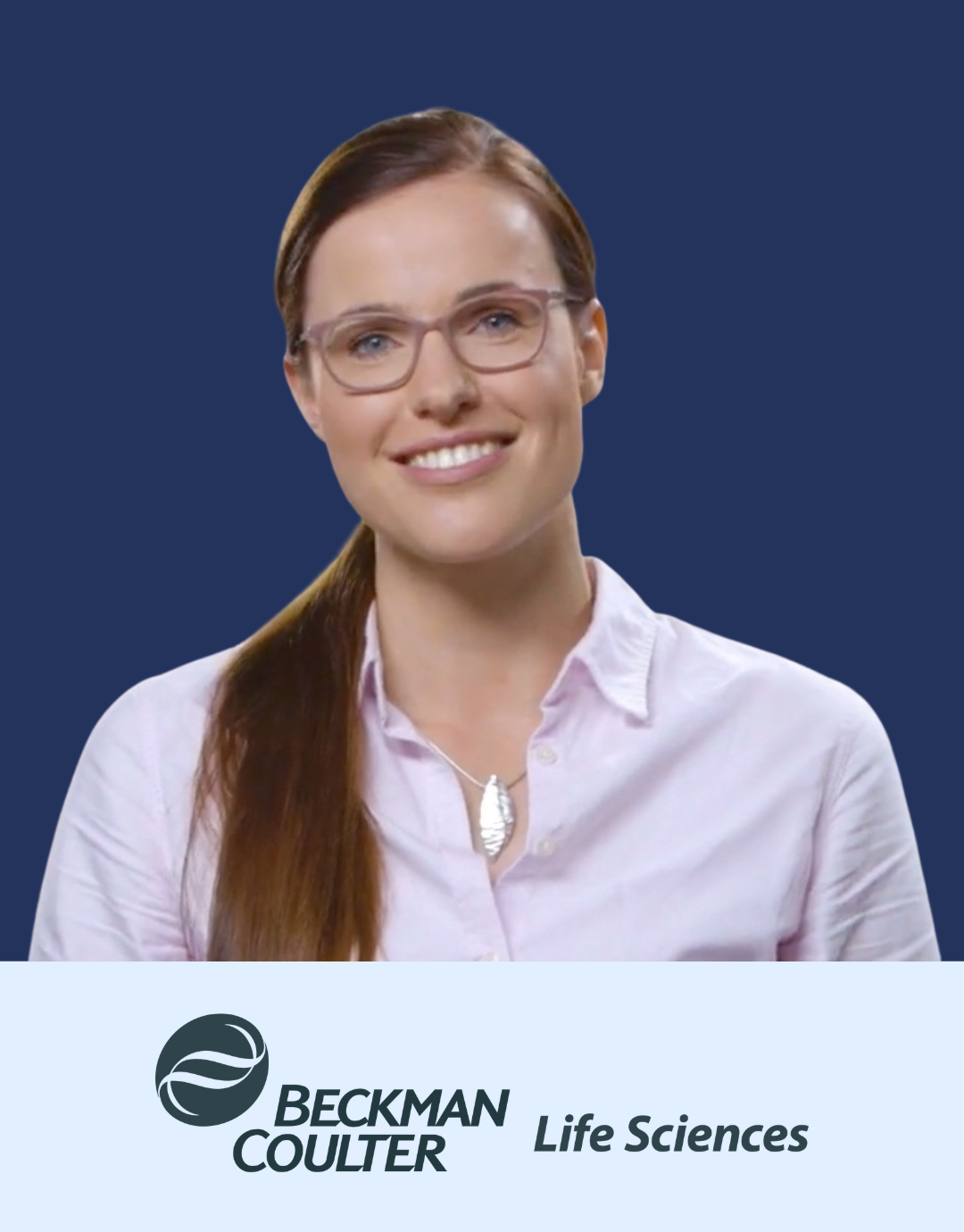
Anna Kress
Manager Application Science
Anna Kress is an trained biotechnologist with over 10 years of experience in the Life Science Industry. She holds a Bachelor and a Master of Science in Molecular Biotechnology. In 2015 she joined the R&D department in the company m2p labs as a Scientist. In the following years Anna had different roles in R&D and led a team of scientists in the development of microbioreactors. Following the acquisition of m2p-labs by Beckman Coulter Life Sciences
Anna took on Technical Product Management responsibilities and since beginning of 2023 built an Applications team for the Biotech Business unit.
.png?width=1485&height=1898&name=Speakers%20Headshots%2026%20(4).png)
Angela Botros
Senior Process Modeling Scientist
Angela is a Senior Process Modelling Scientist and Product Owner at DataHow. She is working with various customers, focusing mainly on upstream microbial projects and is responsible for the planning and development of new features in DataHowLab. Angela holds a BSc and MSc in electrical engineering from ETH Zurich and a PhD in biomedical engineering from University of Bern.